
When well-looked after, car batteries can last for five or six years. If you carry out diligent Ford battery maintenance, you could save over $1,000 on new batteries over the lifespan of your vehicle. You're also less likely to climb into your car one morning only to find the engine refusing to start. Follow the tips below to keep your battery performing reliably for many years to come. Turn Off Unnecessary Electronics The less strain you put on your battery, the longer it will last, so it's wise to develop the habit of turning off all electronics in your car even before you switch off the engine. This saves the battery from unnecessary drainage when the alternator isn't helping. Drive Your Car Frequently While excess usage drains car batteries, periods of inactivity also cause harm. When unused for prolonged periods, car batteries steadily deplete and begin to reduce in capacity. With this in mind, it's best to drive your car at least once a week. If you need to leave your car unused for a while, connect a trickle charger to the battery, which will prevent it from depleting and keep it healthy. Lengthen Your Drives It's best to avoid very short trips as much as possible. Longer trips of at least thirty minutes give the battery time to fully recharge. Coordinating errands is one way to turn several short drives into a longer one. Protect Your Battery From Cold and Heat Both severe cold and heat can damage a car battery. During summer, try to park under shade or inside a garage. During winter, avoid parking outdoors overnight. If you must park outdoors, protect your car with an insulated cover; you can also buy a warming jacket specifically for the battery. Clean Your Battery and Tray Car batteries should be kept clean at all times. Once a month, wipe yours down regularly to stop dust, grime, and corrosion from accumulating and causing harm. Fasten the Battery Brackets Batteries that are loose in their brackets tend to vibrate excessively, which damages the internal components. Every now and then, check to make sure that your battery is firmly fixed in place. Inspect and Test Your Battery It's a good idea to occasionally inspect your battery. If it ever looks warped or cracked, you'll need to install a new one. Also, sometimes ask a technician to test it, especially once the battery passes three or four years of age. Watch Out for the Battery Warning Light If your battery starts to fail, you'll typically see the battery warning light spring to life on the dashboard. When you see this light, have the battery examined and tested. Visit Zeigler Ford Plainwell in Plainwell, MI, today to have your battery checked or replaced.
Genuine Ford Performance Parts: Boost Your Vehicle's Capability
Ford models are already known for their impressive performance, but you can further beef up your vehicle's capability with genuine Ford Performance parts. These vehicle parts have been tested under tough conditions to ensure your Ford always performs at its best, regardless of its age. Explore some of the options to see how you can enhance your vehicle's performance. Crate Engines Are you hoping to restore your Mustang for peak racing power? Rather than trying to customize your existing engine, a crate engine provides a fully assembled replacement, complete with everything you need to maximize performance. If you plan to race on circle tracks, there are specially designed race engines, which include the intake, water pump, and distributor, and may also come with a balancer and forged pistons and rods depending on the option you choose. If you're looking for a street-ready engine to customize your ride, the 351 series offers options to deliver up to 575 horsepower with compression ratios of 10:1 or 10.5:1. Coyote engines are also great for custom builds, engine swaps, and more, featuring 5.0- or 5.2-liter displacements. If you need help deciding which type of crate engine is best for your model, our experts are here to assist. Body Enhancements Whether you want to add an extra pop of style to your ride or prep your SUV or pick-up for off-road adventures, there are plenty of performance parts to choose from. For example, you can add a silver skid plate kit to your 2019-2023 Ford Ranger to help protect against rough terrain, and a Front Bumper Carbon Fiber Insert is available for the 2020-2022 Shelby GT500. Carbon Fiber Fender Flare sets can help your 2022-2025 Ford Bronco stand out when added to the front, rear, or both, and exterior graphics and decals let you celebrate your Ford pride wherever you go. Chassis Upgrades Available parts to upgrade your chassis include brake kits, adjusted suspensions, and wheels. There's a Brake Line Upgrade Kit available for your 2005-2014 Mustang, a Performance Rear RS Brake Upgrade Kit for your 2013-2018 Ford Focus, and an Off-Road Suspension 2-inch Lift Kit for your four-door 2021-2024 Bronco. Adding special wheels can both enhance your vehicle's performance and style, with options including bold HP Wheels for your Mustang or an 18-inch matte black kit for your Super Duty pickup. Whether you're looking to increase your Mustang's racing capability, shore up your truck's exterior for off-roading, or any other modification to get the most out of your Ford, bring it to Zeigler Ford Plainwell in Plainwell, MI. We'll professionally install the genuine parts you choose, and we can offer suggestions if you're not sure where to begin.
Maintaining Your Ford's Diesel Engine: Service Tips
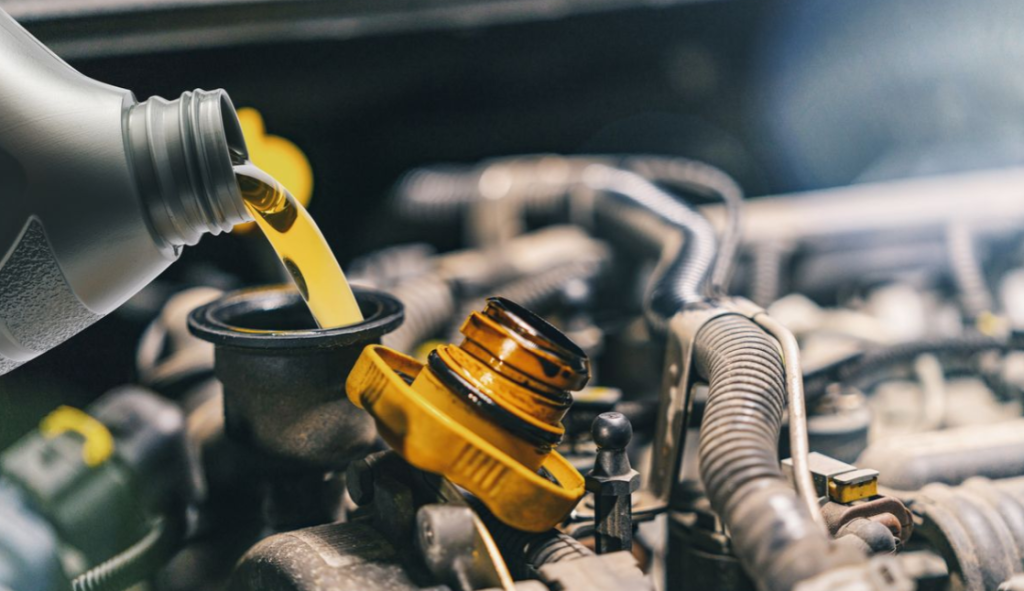
Trucks with Ford's Power Stroke diesel engines don't just get driven. They go to war every day. Towing heavy loads, conquering job sites, and racking up brutal miles, they endure punishment most vehicles will never know. And the best part? They thrive on it, ready to do it all over again the next day. But while they can happily take a beating, they won't tolerate neglect. So, you will need to know a few things about Ford diesel engine maintenance. Oil and Oil Filter Change Oil and filter changes are important for any kind of vehicle, but they are especially key for diesel-powered ones. While oil in a gasoline engine mainly lubricates, diesel engine oil does a lot more. It not only keeps everything moving smoothly but also helps cool the engine and cleans carbon buildup from the pistons and liners. How often you change your oil and oil filter depends on your engine and how much you're working it. If you're towing heavy loads or tackling tough, off-road conditions, you'll be looking at more frequent changes; think 3,000 miles for a 7.3-liter. On the other hand, if you're cruising highways with moderate hauling, your 6.4-liter may stretch it to 10,000 miles. The good thing is that you don't have to guess. Ford's Intelligent Oil Life Monitor tracks everything from load to temperature, so it'll let you know exactly when it's time for an oil change. Fuel Filters Change You might not control the diesel quality at the pump, but you can control how well your engine defends itself against contaminants like water and metal debris. Water, in particular, poses a significant threat because it can lead to corrosion, drop fuel efficiency, and impair performance. So, be sure to drain the water separator once a month or whenever that 'Water in Fuel' icon lights up. Other fuel filter/s might not need such frequent attention, but it's still essential to monitor them. Ford recommends installing a Motorcraft replacement fuel filter after every 15,000 to 22,500 miles under normal driving conditions. Of course, if you're dealing with special driving conditions, you'll want to replace it sooner. Coolant Nitrite Strength Check Diesel engines run a lot hotter than gas engines, making effective cooling systems essential to prevent overheating. One way you can ensure things are in check is by keeping an eye on coolant nitrite strength every 20,000 miles for a 6.4-liter or 15,000 miles if you've got a 6.0-liter, 6.7-liter, or 7.3-liter. Team up with Zeigler Ford Plainwell in Plainwell, MI, and we'll ensure your diesel engine stays in peak condition. With our Ford-trained technicians and OEM parts, we're equipped to handle all your maintenance needs.
Ford Tire Pressure Monitoring System: Importance and Maintenance
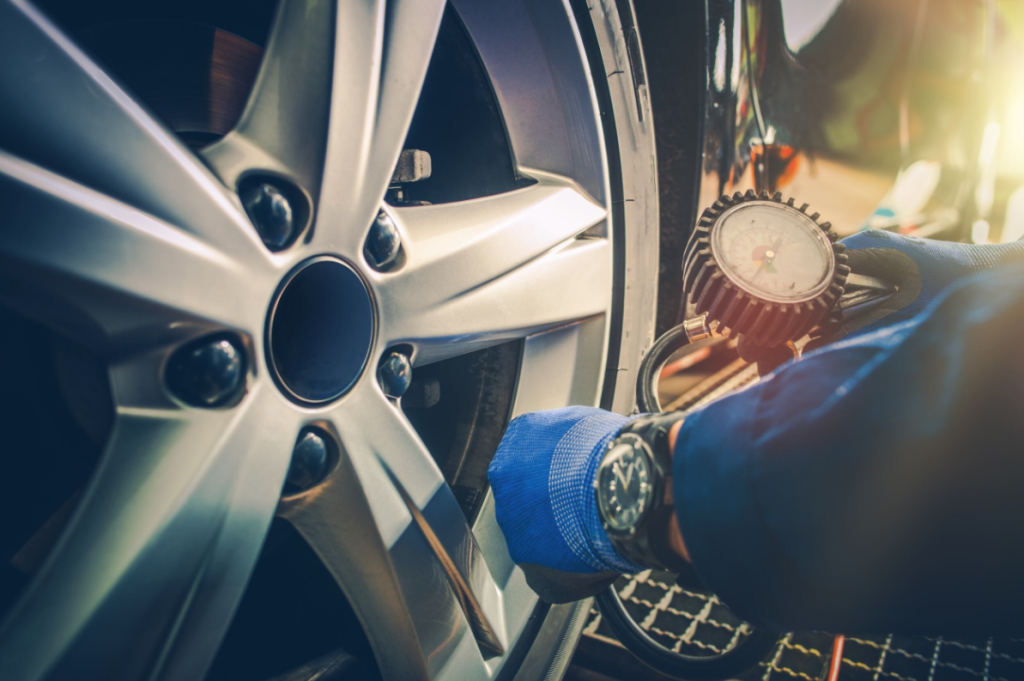
The Ford tire pressure monitoring system is a useful addition to your vehicle's technology. With regular Ford TPMS maintenance, you can be sure your tire pressures are correct at all times, keeping you safe on the road. Technology for Tire Pressure Monitoring Ford's tire pressure monitoring system is designed with safety and convenience in mind. Instead of having to judge for yourself when your tires need more or less air, this clever integrated technology does the job for you. Sensors built into your vehicle will keep track of your tire inflation levels and warn you if they're under or over-inflated so you can take action. Why Is Tire Pressure Important? As a vehicle owner, you probably already know you need to keep a close eye on your car's tire pressure, but you may not know why this is so important. There are several reasons why this maintenance task is so crucial: Enhanced road safety due to improved road traction in all weather conditions Optimal fuel efficiency for your vehicle Better performance when driving thanks to smoother handling and faster braking Possible cost savings thanks to a longer lifespan for your tires Can the TPMS System Prevent Blowouts? Most drivers have experienced a tire blowout at least once and will know just how inconvenient and potentially dangerous it can be, but the Ford TPMS system can help guard against this happening. The TPMS system will constantly check your tire pressure and will alert you if there is a change that requires your attention. If you act on the alert quickly, you can return your tire pressure to the correct level, ensuring your tire remains intact. How Will I Know if the TPMS System Detects a Problem? If your Ford's TPMS system detects that one or more of your tires is over or under-inflated you'll see a symbol appear on your dashboard. This symbol looks like a flat tire with an exclamation mark inside it. There is usually an accompanying sound alert to draw your attention when the symbol first appears. What Should I Do if the Tire Pressure Symbol Appears? If the tire pressure alert appears on your dashboard, there's no need to panic. Taking swift action is important, but it isn't an emergency situation. You should always ensure that you are in a safe place before stopping your vehicle and inspecting its tires. If you have a portable tire inflator in your vehicle, you may be able to check your pressure levels and rectify them on the spot. If not, you should go to the nearest gas station where you can check your vehicle's individual correct tire pressures and top up. Once you have done this, the symbol should disappear from your dashboard and you are safe to continue your drive. If you're worried about your Ford's tire pressure or need new tires, Zeigler Ford Plainwell in Plainwell, MI is at your service. Our experienced, professional team is on hand to keep you running smoothly.
Maintaining Your Ford's Exhaust System: Service Tips
When it comes to car maintenance, the exhaust is often overlooked, largely because it's hidden away underneath the vehicle. But the exhaust system must remain in great shape for your car to function properly, and faults in the exhaust can rapidly lead to damage in the engine and other serious issues. With this in mind, here are six key guidelines for optimal Ford exhaust maintenance. Drive Frequently To Evaporate Moisture Moisture and rust are a hazard for exhaust pipes. If you leave your car sitting unused for long periods, your exhaust will soon start to corrode. So one of the best things you can do to avert rust is to drive your car frequently at highway speeds, which heats the system up enough to evaporate all moisture. Avoid Short Trips of Under Five Miles Frequent short drives of under five miles are harmful to both the engine and exhaust system. Short trips create a good deal of condensation inside the exhaust pipes, which then settles in puddles inside the pipes when you park, accelerating the onset of rust. Clean All the Exhaust Pipes Thoroughly Whenever you clean your car, don't forget to clean its underbelly as well. Use mild soap and water to clean the exhaust pipes, and specialist cleaning products to remove any accumulated carbon deposits. Regular cleaning is even more crucial during winter, when salty snow slush can rapidly corrode components of your car's undercarriage. Inspect Your Exhaust for Dents or Corrosion Occasionally, obstacles on the road can dent the pipes under your car. Such impacts can cause cracks or loosen parts, preventing the exhaust from performing properly. Extensive corrosion does similar harm. It's advisable to carefully examine your exhaust for signs of damage whenever you clean it, and if you find damage, ask a technician to carry out repairs. Catch and Repair Exhaust Leaks Early Gaskets and seals in the exhaust system can sometimes leak fumes. A crack or rust hole might also cause a leak. Leaking exhaust pipes are potentially hazardous as noxious fumes can carry up into the cabin. If you smell rotten eggs or hear rattling, hissing, or extra-loud engine roaring from below, pull over and wait for your car to cool down before checking the exhaust for the leak. You may need a technician to locate and repair it. Book Routine Ford Exhaust Maintenance With Us Along with regular checks for damage, you should have your exhaust system fully inspected and serviced at least every two years. This involves examining and testing every component, including the catalytic converter, resonator, muffler, clamps, pipes, and hangers. Loose parts will be tightened, small cracks sealed, and damaged or corroded parts replaced. Visit Zeigler Ford Plainwell in Plainwell, MI, today for full exhaust servicing by qualified mechanics.
Why It's Crucial to Have Your Ford's Brakes Checked Regularly
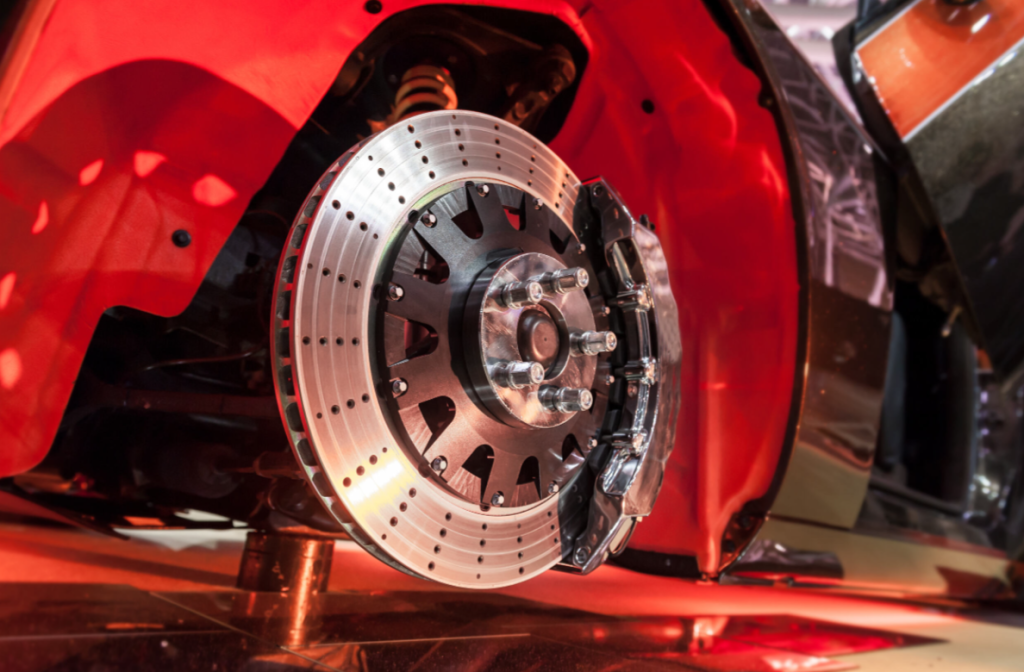
Good brakes can mean the difference between stopping in time or being part of an accident. Your brakes are a mechanical system, and like all mechanical systems, it requires regular maintenance to work effectively. As your Ford dealer, we want to tell you a few signs you need to visit us for a brake service. Pulsing Brake Pedal This issue feels weird. When you push down on the brake pedal, you feel resistance from the pressurized fluid. This fluid forces the calipers to close and clamp against both sides of each rotor. The brake pads inside generate friction against the smooth rotor surfaces, stopping your Ford smoothly and easily. A pulsing feeling through the pedal is caused by one or more calipers grabbing uneven rotor surfaces. Rotor surfaces can wear down over time due to the heat and friction produced by braking. Pad material can also adhere to the hot rotors, building up over time and creating an uneven surface. We'll examine them and clean or resurface the rotors to fix this problem. Soft Brake Pedal A soft brake pedal produces little resistance when you step on it, which is a major problem. The lack of resistance means something could be blocking the brake fluid, preventing it from generating the hydraulic power to force your brakes to work. You could also have a brake fluid leak. Brake responsiveness will usually be sluggish, requiring you to push your foot almost to the floor to get your brakes to work. A blockage can form if air enters the braking system. The hoses are filled with brake fluid, and air will form a bubble blocking their path. A fluid leak can happen due to worn seals, a leaky brake hose, or other forms of damage. As fluid is lost, the remaining fluid loses pressure, and braking becomes more difficult. We'll bleed your brakes to remove any air or find and seal the hole depending on the situation. Burning Chemical Smell If you smell a foul chemical stench from your brakes, your brake fluid is overheating. Older brake fluid can absorb water, which heats up due to the pressure caused by braking. If the water gets hot enough, it will boil. The brake fluid can't burn, but if it overheats, it temporarily loses its ability to generate hydraulic power and your brakes won't work. We advise pulling over and allowing your brakes to cool. Contact us ASAP, and we'll drain and replace the old fluid, as newer fluid is less likely to absorb water or overheat. Driving with bad brakes is dangerous. Contact us right away at Zeigler Ford Plainwell in Plainwell, MI.

Preparing Your Ford for Winter Weather: A Complete Guide
As we all know, our winters are cold in Plainwell, MI, especially with an average low of 19 F in January. Your Ford is built to handle any weather conditions, but it will perform at its best with the right winter maintenance. As your Ford dealer, we want to tell you about some Ford maintenance that will ensure you can drive safely and comfortably despite the low temperatures. Battery Check We all know starting the engine takes longer in winter. The low temperature causes the oil to thicken, making it slower to circulate through the engine. Cold also affects your battery, as it temporarily loses power as the temperature falls. At 32 F, for example, a battery only has 70% of its normal power. Starting your engine requires more electricity, and at reduced power, your battery can struggle. This is particularly true if your battery is three years old or more. An average battery life is only three to five years, as it gradually loses storage capacity due to the natural breakdown of the chemicals inside it. Our technicians will connect your battery to our battery tester so you can get a heads-up on its strength and reliability. If your battery is weakening, we advise replacing it so you'll have confidence your engine will start every time throughout the winter. Snow Tires Regular all-weather tires are fine for urban driving in winter. If you're spending time in more rural areas, snow tires are the better and safer choice. Snow tires are made from softer rubber than regular tires, allowing them to stay flexible at low temperatures. Flexibility is key when driving on snow or ice, as these tires provide more traction on wet, icy surfaces. We advise fitting snow tires in approximately mid-November when the temperature is consistently 45 F or less. As the temperature warms with the approaching spring, it's time to change to all-weather tires again. Winter tires will wear out much faster at higher temperatures. Our technicians can quickly change your tires for the winter, and we also stock winter tires if you need a set. Check Fluid Levels Low temperatures affect not only engine oil but your vehicle's other fluids as well. Your Ford contains many different fluids, including transmission fluid, coolant, windshield washer fluid, and power steering fluid. All these fluids age and eventually need replacement as older fluids become less effective, which can result in damage to their systems. Our technicians will check all your fluids and replace them if necessary. If the fluids are in good condition, we'll top them up if required. These are just some ways we ensure your Ford is ready for the cold weather. If you'd like to know more about winter maintenance, visit us today at Zeigler Ford Plainwell in Plainwell, MI.
The Importance of Regular Wheel Alignments for Your Ford
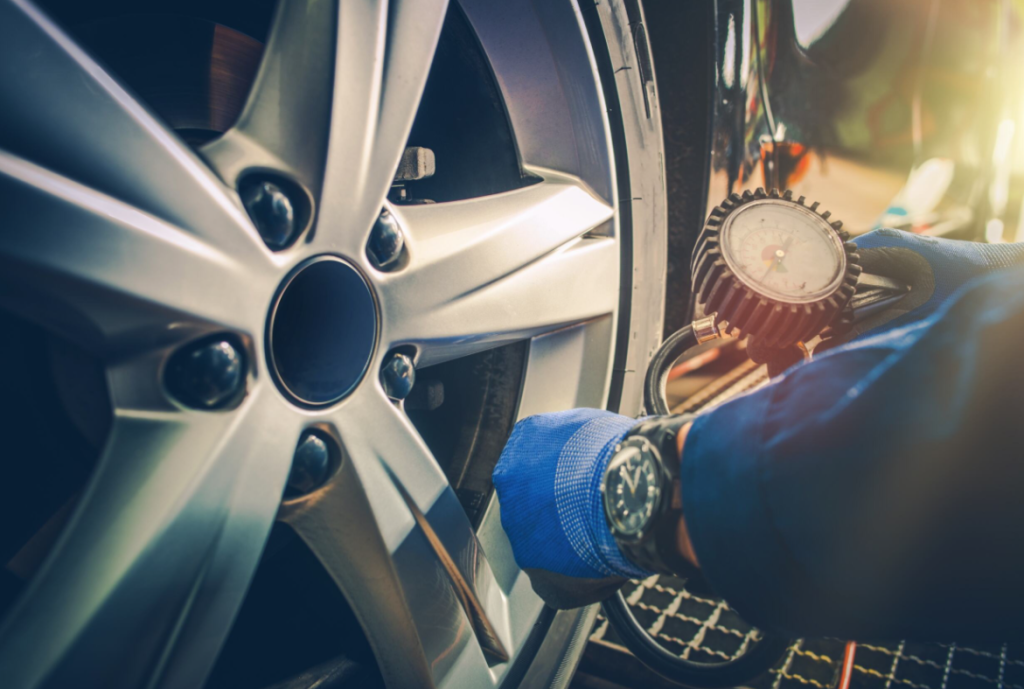
Most people know checking their tire pressure is important maintenance, but what about wheel alignment? If you want to drive safely and get the best service from your tires, it's essential to have the wheels aligned on a regular basis. Ziegler Ford Plainwell, in Plainwell, MI, is your local Ford dealer, and we offer five reasons why it's important to have your wheels aligned at consistent intervals. 1. Proper Tire Wear Because tire alignment involves how the tires are tilted — inward, outward, backward, forward, etc. — it directly affects the wear on your tires, which affects how long they last. You don't want your tires to wear unevenly because that shortens their lives, and costs money in the long run. 2. Better Fuel Mileage Friction is a fact of life and that extends to tires and wheels. Poorly aligned wheels cause extra friction, which creates more drag on your vehicle, reducing it's fuel efficiency. Everyone wants to save on gas, so you don't want your vehicle working against you. We can align your tires and save your gas mileage in the process. 3. Better Steering If your vehicle has been pulling hard to one side, you probably need an alignment. Poor alignment causes steering difficulties. You may have issues keeping your Ford in the proper lane at highway speeds, and you may also have problems braking, with your car drifting to the right or left. This can cause critical issues while driving. We want our customers to be safe, so it's crucial for us to make sure your tires are properly aligned. 4. Better Ride Bad alignment can make a vehicle shudder and ride poorly. Since the frame rests on the tires, if they're not lined up and rolling smoothly, the resulting vibration will spread to the whole car. Your Mustang won't give you the highway performance it should if needs an alignment. Our service department will get your wheels aligned and have you back on the road, so you can enjoy your road trip. We'll even check your alignment when you come in for a tire rotation. 5. Saves the Suspension Misaligned tires and wheels puts added stress on your vehicle's entire suspension system, from the springs to the sway bars. Suspension repairs are much more expensive than alignments, so if you think that service is pricey, compare it to replacing failed springs or ball joints. Plus, suspension issues can also cause safety issues while driving. We can make those repairs, too, but there's wisdom in the old saying about an ounce of prevention. When you have regular tire alignments, you're saving money and driving a safer vehicle. Contact Ziegler Ford Plainwell, in Plainwell, MI, to make your appointment to have your alignment checked. It's an important step to get the best service from your Ford.
Maximizing the Lifespan of Your Ford: Essential Maintenance Tips
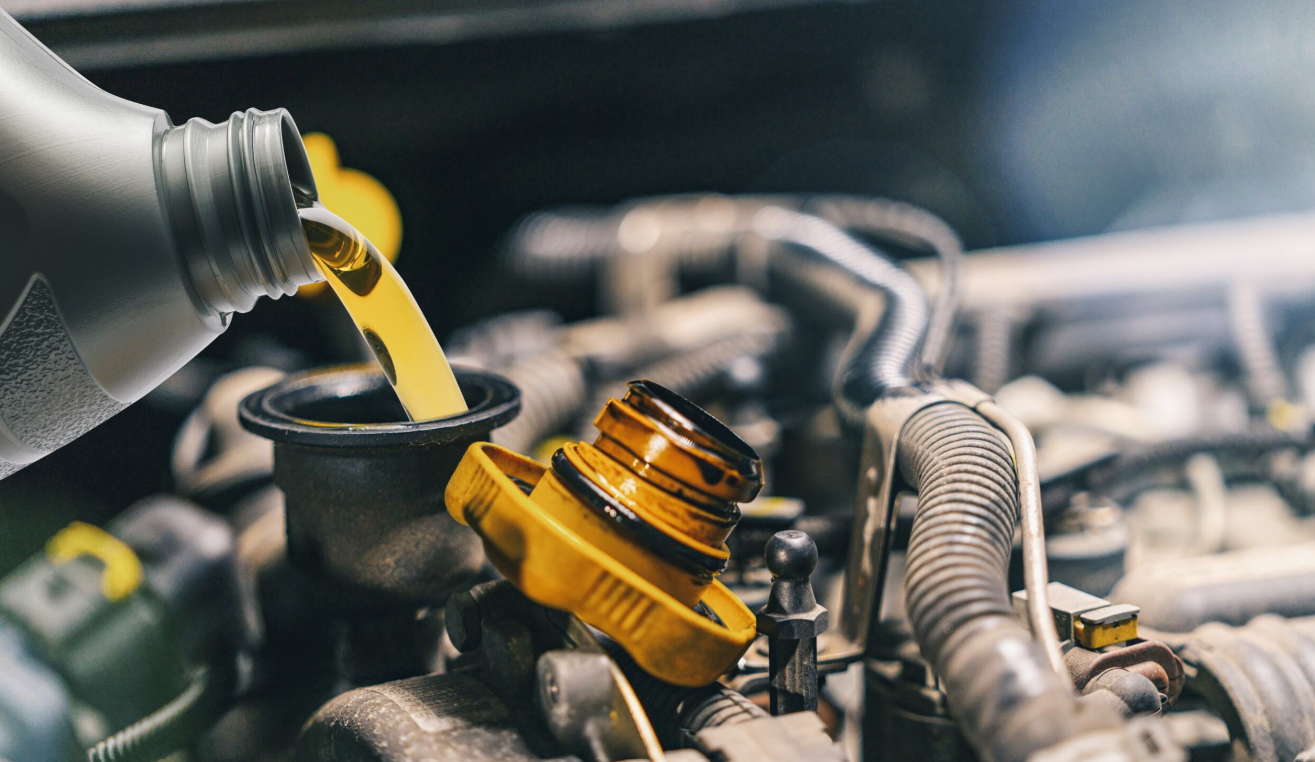
Keeping your Ford reliable starts with proper Ford maintenance. With the tips from your Ford dealer below, you will save every time you refill and continue to enjoy driving your Ford for thousands of miles. Change the Oil and Filter Your Ford engine's biggest enemy is friction. Friction causes wear that will significantly shorten the life of your engine. Lubrication is vital to fight friction between the engine's fast-moving components. Changing your engine oil at least twice a year or when you get an alert from the Intelligent Oil-Life Monitor will keep your engine running at its best for many years. Check the Different Fluids Your Ford needs different fluids to lubricate and cool various components and systems to prevent overheating, which could cause breakdowns and costly part replacements. Keep an eye on all the fluids, including the oil, coolant, brake fluid, transmission fluid, and power steering fluid. Keep the fluids at the proper levels, and if they are old or dirty, ask your Ford technician to change them as soon as possible. Change the Engine Air Filter The engine air filter shields your engine against dust and debris that can harm your engine. With use, the air filter gets clogged and obstructs the flow of clean air to the engine. The lack of clean air forces the engine to work harder and can cause severe damage to engine parts. Change the engine air filter regularly to provide your engine with enough clean air to function efficiently. Inspect the Hoses and Belts Hoses and belts work together to transfer power and fluids to the various systems within your vehicle. A worn-out belt can strain the engine and the electrical charging system. A leaking hose can severely affect the efficiency of your cooling system or brakes. Ask your Ford technician to check that the belts are tight and not dry, cracking, or fraying and the hoses are not leaking. Even the smallest leak in a hose can impact the proper functioning of your vehicle. Use Motorcraft Replacement Parts When you choose Motorcraft replacement parts, you select components identical to those in your Ford when you first bought your vehicle. Every top-quality Motorcraft part is intricately manufactured exclusively for your Ford. These components undergo rigorous testing to ensure reliable, durable, and safe performance. With Motorcraft parts, you have the assurance that your Ford will operate at its best and endure for the long haul. To help you keep your Ford sedan, SUV, or truck on the road longer, visit us at Zeigler Ford Plainwell in Plainwell, MI, today. Our team of certified and experienced Ford technicians will help you keep your Ford in tip-top condition.
How Often Should Your Ford Get an Oil Change?
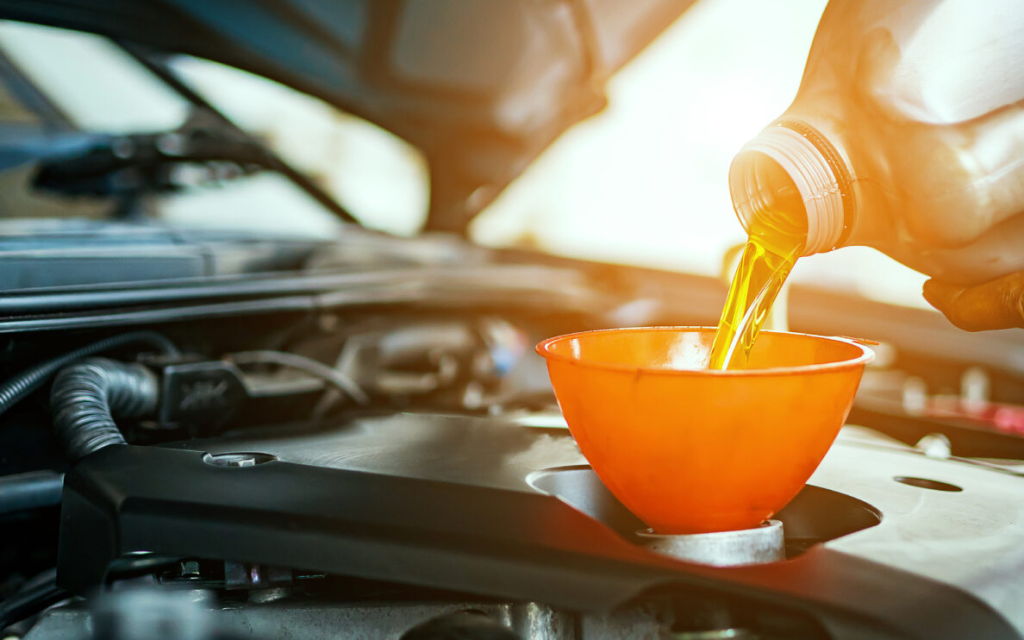
It's easy to underestimate the importance of changing your oil. Understanding when it's time to head to the Ford dealer for an oil change can save you from expensive repairs and keep your car running smoothly. Your car needs a change when the oil gets too old or contaminated to do its job. Generally, you should change the oil in your Ford every 5,000 to 7,500 miles, or once a year, whichever comes first. However, this may change based on your vehicle model, the type of oil you use, and how you drive your car. If you often drive in extreme hot or cold, tow heavy loads, or spend most of your time in stop-and-go traffic, you're going to need oil more frequently. What Does Oil Do for My Car? Lubrication Oil minimizes friction between engine parts. This helps prevent premature wear and tear. Cooling It helps direct heat away from the engine components to avoid overheating. Cleaning Oil collects contaminants in your engine like dirt and debris and deposits them in the filter. Protection It provides a protective layer that reduces rust and corrosion. Signs You Should Head to the Ford Dealer for an Oil Change Oil or Check Engine Light Activates The most obvious indicator you need fresh oil is when your Ford's dashboard signals with the oil light. The check engine light is often a warning about your oil, too. Since the check engine light may trigger from many different causes, though, you should get a professional diagnostic to be sure. Dark, Dirty, Gritty Oil Check your oil with the dipstick. Fresh, healthy oil should be a clear amber. If your oil is dark, thick, or gritty instead, it is too saturated with particles and debris to do its job. Extra Engine Noise When oil breaks down, it can't lubricate your engine effectively. Noise from your engine that's louder than usual, including ticking or knocking sounds, should prompt you to change your oil. Smoky Exhaust While some exhaust vapor is normal, especially in cold weather, smoke is a sign that something's burning. Often this is oil burning off outside your engine. Smelling Oil Inside Your Car A strong smell of oil inside the cabin of your car could point to an oil leak or serious engine problems. Reduced Fuel Efficiency An engine that's not correctly lubricated has to work harder than one that is. If you notice a tank of gas isn't taking you as far as it used to, check whether your car's oil needs attention. If you notice any of these warning signs, take your car in to change the oil and get it checked out right away. Visit Zeigler Ford Plainwell and let us help you keep your car in top condition.
4 Benefits of Getting a Tire Rotation at Your Ford Dealer
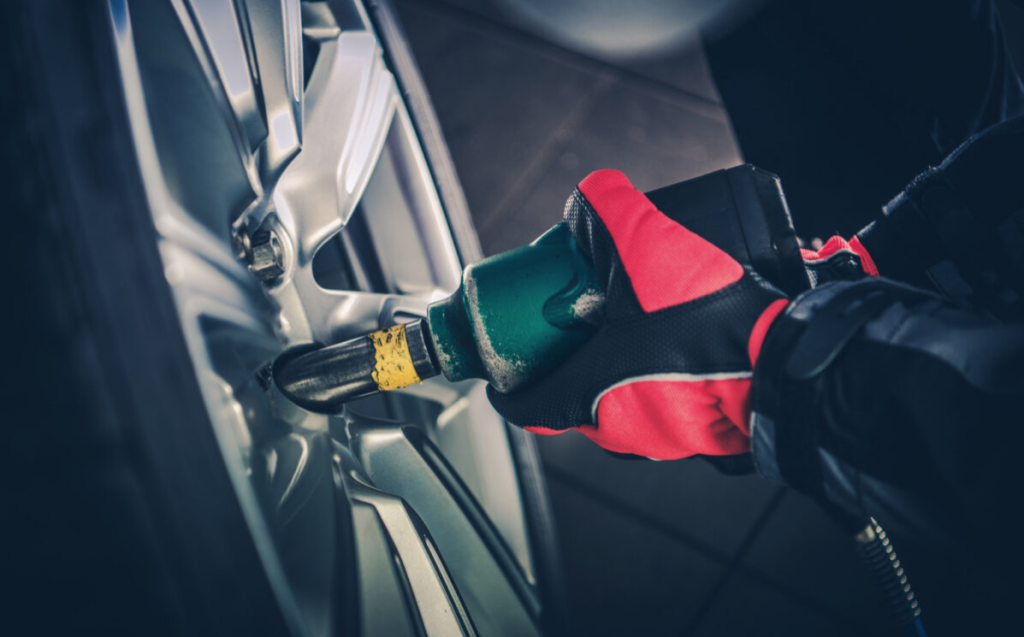
Rotating the tires on your car, truck, or SUV may not be something you give a lot of thought to. But from financial savings to improved fuel efficiency, there are many reasons why having a tire rotation performed at your local Ford dealer should be at the top of your to-do list. 1. Your Tires Will Wear More Evenly Tires wear differently depending on where they are on the vehicle. For example, the front tires take the lead in braking, accelerating, and turning on a front-wheel drive vehicle. To ensure that all four tires are wearing evenly, their position on the vehicle should be periodically rotated. This service usually involves moving the front tires to the rear and the rear to the front and can usually be completed in less than an hour. Rotating the tires can prevent cupping, which is a specific type of tire wear that results in the treads moving from high to low in different spots. Tires that are cupped, or scalloped, often give the vehicle a sharp bouncy feel on the road. If you can prevent cupping and other types of uneven wear, your tires will last longer, saving you money in replacement costs. 2. Your Vehicle Will Be Safer To Operate Properly rotated tires help your vehicle function at its best. When your treads are uneven, your vehicle may shake and make noise while being driven. You may even find that your vehicle is not comfortable to drive when the tires are worn, or you may not feel like you have complete control of the vehicle. Unevenly worn treads are also less capable of gripping the road in wet or snowy conditions, putting you and your passengers at risk. 3. Your Vehicle Will Get Better Mileage Tires that are unevenly worn create more resistance while being driven, which burns extra fuel. When your tires have been rotated and are wearing evenly, you'll be able to go longer between trips to the gas station, and you'll spend less on fuel overall. 4. Your Vehicle Will Stay in Better Condition The tires serve as the foundation of your vehicle. Keeping them in good shape provides support for other important components of your vehicle, like the suspension system, the brakes, and the wheel bearings. Rotating your tires supports your vehicle, keeps it in good shape, and can prevent larger mechanical issues from developing. For most Fords, the tires should be rotated every 5,000 to 7,500 miles. This is an easy service that can extend the life of your tires and keep your vehicle safe on the road. When it's time for your next rotation, be sure to call Zeigler Ford of Plainwell.
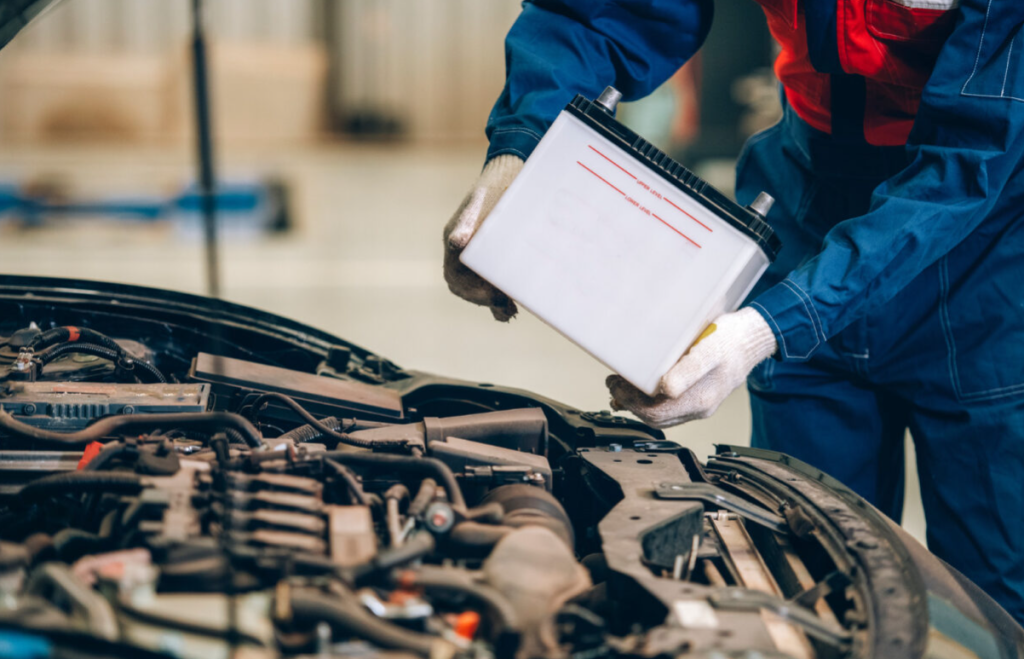
5 Signs Your Ford Needs a New Car Battery
It's happened to most of us at some point. You're rushing out the door, but when you turn the key in your vehicle's ignition, you hear only metallic clicking. Vehicle batteries tend to die at inconvenient times, but if you know what to look for, you can usually tell when you're about to need a new car battery. Spotting those early warning signals gives you time to schedule a service appointment at your local Ford dealer. 1. Your Dashboard Warning Light Is On The engine light on your dashboard is one of the surest indicators that your battery needs service. When this light comes on, it often means that your battery is nearly depleted. It may also represent a sensor malfunction or some other issue. It's important to schedule a service appointment any time you see this light on. 2. Your Vehicle Needs Frequent Jumps Vehicles occasionally need to be jump-started, particularly if you've left your headlights on for an extended period without having the engine running. But if your vehicle needs frequent jump-starts, that's a sign that your battery may soon be due for replacement. If it takes you two or three times to get your vehicle started, or if you have to press the gas pedal to get it started, those are also signs that your battery may be declining. The battery supplies the electricity needed to start your vehicle's engine, and as your battery declines, it can become harder to start your car. 3. Your Battery Case Is Swelling Batteries that are exposed to extreme temperatures may undergo a chemical reaction that can cause the battery case to swell. If the case is swollen and distorted, the battery can't be recharged and will need to be replaced. 4. Your Headlights Are Not As Bright Dimming headlights are not always noticeable, but they are another signal that your battery is declining. If the battery is struggling to power the headlights, they will begin to shine less brightly. You may also notice that other features powered by the vehicle's battery, like the radio, dashboard lights, and interior lights, also start to dim. Power windows may also become slow to operate. 5. Your Car Frequently Backfires A less-known symptom of a weakening battery is a vehicle that backfires frequently. This is because a deteriorating battery gives off intermittent sparks, which can ignite the fuel that has built up in the cylinders. Backfiring can be a sign of several different mechanical issues, so you'll want to be sure to have our service department inspect the vehicle and test the battery. If your battery is showing signs of decline, it's important to replace it so you aren't stranded somewhere. The next time your battery needs service or replacement, schedule an appointment at Zeigler Ford of Plainwell.