


Blog / Plainwell Ford Service

Preparing Your Ford for Winter Weather: A Complete Guide

As we all know, our winters are cold in Plainwell, MI, especially with an average low of 19 F in January. Your Ford is built to handle any weather conditions, but it will perform at its best with the right winter maintenance. As your Ford dealer, we want to tell you about some Ford maintenance that will ensure you can drive safely and comfortably despite the low temperatures.

Battery Check

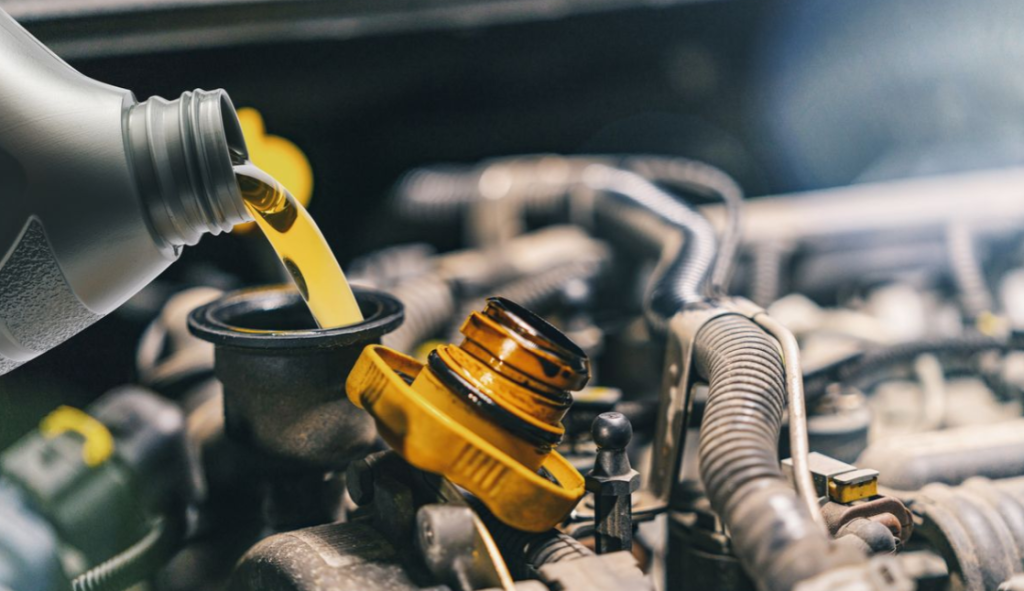
We all know starting the engine takes longer in winter. The low temperature causes the oil to thicken, making it slower to circulate through the engine. Cold also affects your battery, as it temporarily loses power as the temperature falls. At 32 F, for example, a battery only has 70% of its normal power. Starting your engine requires more electricity, and at reduced power, your battery can struggle.

This is particularly true if your battery is three years old or more. An average battery life is only three to five years, as it gradually loses storage capacity due to the natural breakdown of the chemicals inside it. Our technicians will connect your battery to our battery tester so you can get a heads-up on its strength and reliability. If your battery is weakening, we advise replacing it so you'll have confidence your engine will start every time throughout the winter.

Snow Tires

Regular all-weather tires are fine for urban driving in winter. If you're spending time in more rural areas, snow tires are the better and safer choice. Snow tires are made from softer rubber than regular tires, allowing them to stay flexible at low temperatures. Flexibility is key when driving on snow or ice, as these tires provide more traction on wet, icy surfaces.

We advise fitting snow tires in approximately mid-November when the temperature is consistently 45 F or less. As the temperature warms with the approaching spring, it's time to change to all-weather tires again. Winter tires will wear out much faster at higher temperatures. Our technicians can quickly change your tires for the winter, and we also stock winter tires if you need a set.

Check Fluid Levels

Low temperatures affect not only engine oil but your vehicle's other fluids as well. Your Ford contains many different fluids, including transmission fluid, coolant, windshield washer fluid, and power steering fluid. All these fluids age and eventually need replacement as older fluids become less effective, which can result in damage to their systems.

Our technicians will check all your fluids and replace them if necessary. If the fluids are in good condition, we'll top them up if required.

These are just some ways we ensure your Ford is ready for the cold weather. If you'd like to know more about winter maintenance, visit us today at Zeigler Ford Plainwell in Plainwell, MI.
Posted in:

Related Posts

Maintaining Your Ford's Battery: Ensuring Reliability

When well-looked after, car batteries can last for five or six years. If you carry out diligent Ford battery maintenance, you could save over $1,000 on new batteries over the lifespan of your vehicle. You're also less likely to climb into your car one morning only to find the engine refusing to start. Follow the tips below to keep your battery performing reliably for many years to come. more Turn Off Unnecessary Electronics The less strain you put on your battery, the longer it will last, so it's wise to develop the habit of turning off all electronics in your car even before you switch off the engine. This saves the battery from unnecessary drainage when the alternator isn't helping. Drive Your Car Frequently While excess usage drains car batteries, periods of inactivity also cause harm. When unused for prolonged periods, car batteries steadily deplete and begin to reduce in capacity. With this in mind, it's best to drive your car at least once a week. If you need to leave your car unused for a while, connect a trickle charger to the battery, which will prevent it from depleting and keep it healthy. Lengthen Your Drives It's best to avoid very short trips as much as possible. Longer trips of at least thirty minutes give the battery time to fully recharge. Coordinating errands is one way to turn several short drives into a longer one. Protect Your Battery From Cold and Heat Both severe cold and heat can damage a car battery. During summer, try to park under shade or inside a garage. During winter, avoid parking outdoors overnight. If you must park outdoors, protect your car with an insulated cover; you can also buy a warming jacket specifically for the battery. Clean Your Battery and Tray Car batteries should be kept clean at all times. Once a month, wipe yours down regularly to stop dust, grime, and corrosion from accumulating and causing harm. Fasten the Battery Brackets Batteries that are loose in their brackets tend to vibrate excessively, which damages the internal components. Every now and then, check to make sure that your battery is firmly fixed in place. Inspect and Test Your Battery It's a good idea to occasionally inspect your battery. If it ever looks warped or cracked, you'll need to install a new one. Also, sometimes ask a technician to test it, especially once the battery passes three or four years of age. Watch Out for the Battery Warning Light If your battery starts to fail, you'll typically see the battery warning light spring to life on the dashboard. When you see this light, have the battery examined and tested. Visit Zeigler Ford Plainwell in Plainwell, MI, today to have your battery checked or replaced.

Genuine Ford Performance Parts: Boost Your Vehicle's Capability

Ford models are already known for their impressive performance, but you can further beef up your vehicle's capability with genuine Ford Performance parts. These vehicle parts have been tested under tough conditions to ensure your Ford always performs at its best, regardless of its age. Explore some of the options to see how you can enhance your vehicle's performance. more Crate Engines Are you hoping to restore your Mustang for peak racing power? Rather than trying to customize your existing engine, a crate engine provides a fully assembled replacement, complete with everything you need to maximize performance. If you plan to race on circle tracks, there are specially designed race engines, which include the intake, water pump, and distributor, and may also come with a balancer and forged pistons and rods depending on the option you choose. If you're looking for a street-ready engine to customize your ride, the 351 series offers options to deliver up to 575 horsepower with compression ratios of 10:1 or 10.5:1. Coyote engines are also great for custom builds, engine swaps, and more, featuring 5.0- or 5.2-liter displacements. If you need help deciding which type of crate engine is best for your model, our experts are here to assist. Body Enhancements Whether you want to add an extra pop of style to your ride or prep your SUV or pick-up for off-road adventures, there are plenty of performance parts to choose from. For example, you can add a silver skid plate kit to your 2019-2023 Ford Ranger to help protect against rough terrain, and a Front Bumper Carbon Fiber Insert is available for the 2020-2022 Shelby GT500. Carbon Fiber Fender Flare sets can help your 2022-2025 Ford Bronco stand out when added to the front, rear, or both, and exterior graphics and decals let you celebrate your Ford pride wherever you go. Chassis Upgrades Available parts to upgrade your chassis include brake kits, adjusted suspensions, and wheels. There's a Brake Line Upgrade Kit available for your 2005-2014 Mustang, a Performance Rear RS Brake Upgrade Kit for your 2013-2018 Ford Focus, and an Off-Road Suspension 2-inch Lift Kit for your four-door 2021-2024 Bronco. Adding special wheels can both enhance your vehicle's performance and style, with options including bold HP Wheels for your Mustang or an 18-inch matte black kit for your Super Duty pickup. Whether you're looking to increase your Mustang's racing capability, shore up your truck's exterior for off-roading, or any other modification to get the most out of your Ford, bring it to Zeigler Ford Plainwell in Plainwell, MI. We'll professionally install the genuine parts you choose, and we can offer suggestions if you're not sure where to begin.

Maintaining Your Ford's Diesel Engine: Service Tips

Maintaining Your Ford's Diesel Engine: Service Tips

Trucks with Ford's Power Stroke diesel engines don't just get driven. They go to war every day. Towing heavy loads, conquering job sites, and racking up brutal miles, they endure punishment most vehicles will never know. And the best part? They thrive on it, ready to do it all over again the next day. But while they can happily take a beating, they won't tolerate neglect. So, you will need to know a few things about Ford diesel engine maintenance. more Oil and Oil Filter Change Oil and filter changes are important for any kind of vehicle, but they are especially key for diesel-powered ones. While oil in a gasoline engine mainly lubricates, diesel engine oil does a lot more. It not only keeps everything moving smoothly but also helps cool the engine and cleans carbon buildup from the pistons and liners. How often you change your oil and oil filter depends on your engine and how much you're working it. If you're towing heavy loads or tackling tough, off-road conditions, you'll be looking at more frequent changes; think 3,000 miles for a 7.3-liter. On the other hand, if you're cruising highways with moderate hauling, your 6.4-liter may stretch it to 10,000 miles. The good thing is that you don't have to guess. Ford's Intelligent Oil Life Monitor tracks everything from load to temperature, so it'll let you know exactly when it's time for an oil change. Fuel Filters Change You might not control the diesel quality at the pump, but you can control how well your engine defends itself against contaminants like water and metal debris. Water, in particular, poses a significant threat because it can lead to corrosion, drop fuel efficiency, and impair performance. So, be sure to drain the water separator once a month or whenever that 'Water in Fuel' icon lights up. Other fuel filter/s might not need such frequent attention, but it's still essential to monitor them. Ford recommends installing a Motorcraft replacement fuel filter after every 15,000 to 22,500 miles under normal driving conditions. Of course, if you're dealing with special driving conditions, you'll want to replace it sooner. Coolant Nitrite Strength Check Diesel engines run a lot hotter than gas engines, making effective cooling systems essential to prevent overheating. One way you can ensure things are in check is by keeping an eye on coolant nitrite strength every 20,000 miles for a 6.4-liter or 15,000 miles if you've got a 6.0-liter, 6.7-liter, or 7.3-liter. Team up with Zeigler Ford Plainwell in Plainwell, MI, and we'll ensure your diesel engine stays in peak condition. With our Ford-trained technicians and OEM parts, we're equipped to handle all your maintenance needs.