

Trucks with Ford’s Power Stroke diesel engines don’t just get driven. They go to war every day. Towing heavy loads, conquering job sites, and racking up brutal miles, they endure punishment most vehicles will never know. And the best part? They thrive on it, ready to do it all over again the next day. But while they can happily take a beating, they won’t tolerate neglect. So, you will need to know a few things about Ford diesel engine maintenance.
Oil and Oil Filter Change
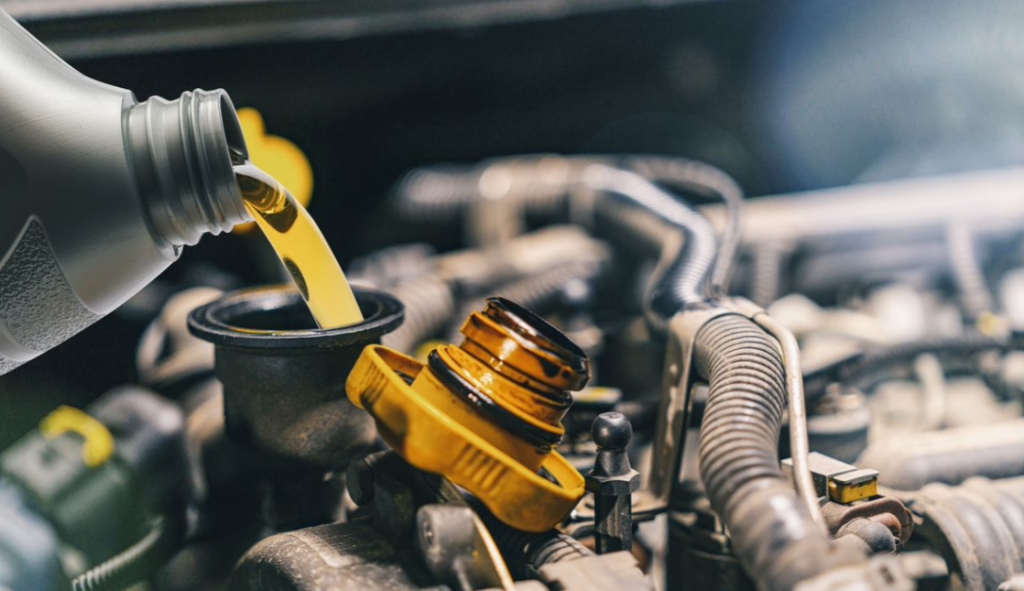
Oil and filter changes are important for any kind of vehicle, but they are especially key for diesel-powered ones. While oil in a gasoline engine mainly lubricates, diesel engine oil does a lot more. It not only keeps everything moving smoothly but also helps cool the engine and cleans carbon buildup from the pistons and liners. How often you change your oil and oil filter depends on your engine and how much you’re working it.
If you’re towing heavy loads or tackling tough, off-road conditions, you’ll be looking at more frequent changes; think 3,000 miles for a 7.3-liter. On the other hand, if you’re cruising highways with moderate hauling, your 6.4-liter may stretch it to 10,000 miles. The good thing is that you don’t have to guess. Ford’s Intelligent Oil Life Monitor tracks everything from load to temperature, so it’ll let you know exactly when it’s time for an oil change.
Fuel Filters Change
You might not control the diesel quality at the pump, but you can control how well your engine defends itself against contaminants like water and metal debris. Water, in particular, poses a significant threat because it can lead to corrosion, drop fuel efficiency, and impair performance. So, be sure to drain the water separator once a month or whenever that ‘Water in Fuel’ icon lights up.
Other fuel filter/s might not need such frequent attention, but it’s still essential to monitor them. Ford recommends installing a Motorcraft replacement fuel filter after every 15,000 to 22,500 miles under normal driving conditions. Of course, if you’re dealing with special driving conditions, you’ll want to replace it sooner.
Coolant Nitrite Strength Check
Diesel engines run a lot hotter than gas engines, making effective cooling systems essential to prevent overheating. One way you can ensure things are in check is by keeping an eye on coolant nitrite strength every 20,000 miles for a 6.4-liter or 15,000 miles if you’ve got a 6.0-liter, 6.7-liter, or 7.3-liter.
Team up with Zeigler Ford Plainwell in Plainwell, MI, and we’ll ensure your diesel engine stays in peak condition. With our Ford-trained technicians and OEM parts, we’re equipped to handle all your maintenance needs.
Connect with us


- March 2026
- February 2026
- January 2026
- December 2025
- November 2025
- October 2025
- September 2025
- August 2025
- July 2025
- June 2025
- May 2025
- April 2025
- March 2025
- February 2025
- January 2025
- December 2024
- November 2024
- October 2024
- September 2024
- August 2024
- July 2024
- June 2024
- May 2024
- April 2024
- March 2024
- February 2024
- January 2024
- December 2023
- November 2023
- October 2023
- September 2023
- August 2023
- July 2023
- June 2023
- May 2023
- April 2023
- March 2023
- February 2023
- January 2023
- December 2022
- November 2022